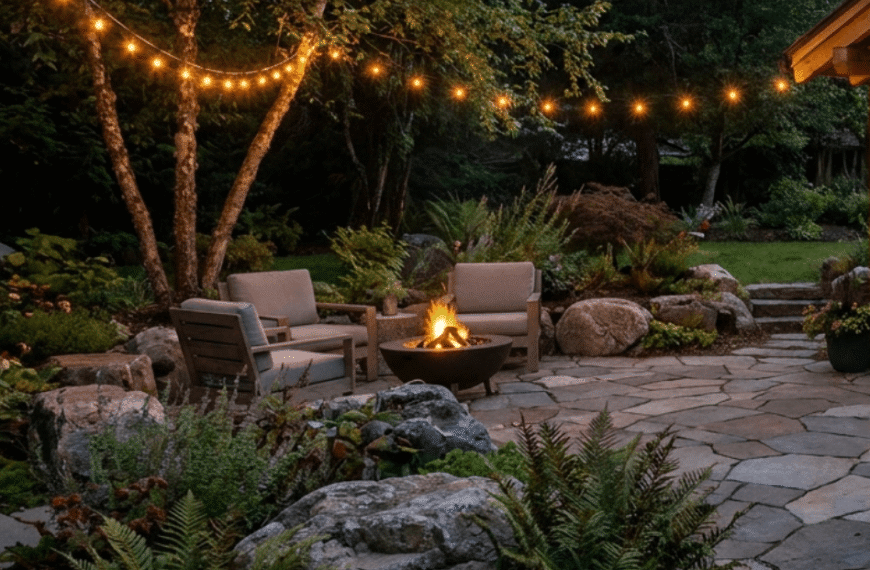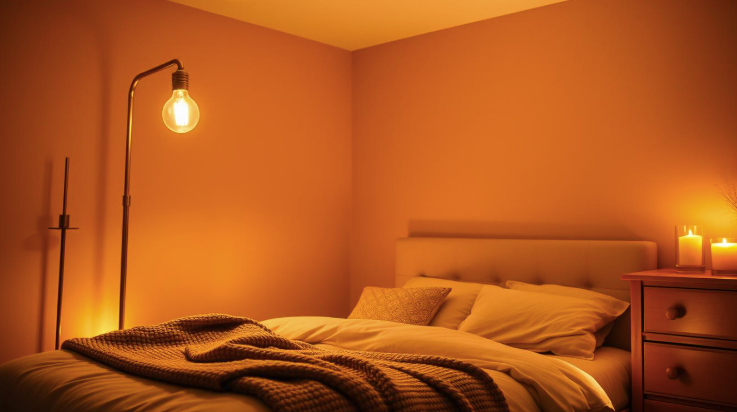
Creating a layered lighting scheme with warm 2700–3000K tones and dimmable controls helps cue winding down without overstimulation. Aligning daylight and artificial schedules reduces circadian disruption, using soft dawn cues in the morning and amber, low-brightness glow at night. Strategic placement of task, ambient, and night lights minimizes glare while supporting routines like reading, dressing, and hygiene. Smart routines can automate gentle transitions, but room-to-room consistency and ongoing measurement are essential to refine effectiveness. The next step reveals where to start.
How to Choose Warm, Sleep-Friendly Lighting
Choosing warm, sleep-friendly lighting hinges on color temperature, brightness, and timing.
The analysis focuses on warmth perception and color temperature to optimize circadian cues.
Lower temperatures (2700–3000K) promote relaxation, while dimmer brightness reduces alertness.
Brightess targets are defined for tasks and winding-down periods.
Timing aligns with melatonin onset, ensuring consistent evening illumination that supports free, unrestrained rest without overexposure.
Aligning Daylight and Artificial Light for Sleep
Aligning daylight and artificial light involves synchronizing spectral content, timing, and intensity to reinforce circadian cues across environments.
Daylight charts guide artificial schedules, aligning blue-enriched periods with activity and reducing blue later. A soft dawn scene supports gradual awakening, while an amber glow eases winding down. Consistent luminance patterns across rooms reinforce stable circadian expectations and sleep-ready behavior.
Practical Lighting Setups for the Bedside and Bedroom
For practical bedside and bedroom lighting, a layered approach combines task, ambient, and night-light roles to support sleep readiness and morning wakefulness. Calibrated lamp placement and dimming techniques create a calming bedside and dreamy ambiance. Proper lamp placement minimizes glare while maximizing reach for reading, dressing, and hygiene, enhancing freedom through predictable illumination patterns without excess luminance.
Smart Tools and Habits to Support Evening Wind-Down
Smart tools and consistent habits streamline evening wind-down by reducing decision fatigue and signaling the body to prepare for sleep. Devices automate lighting sequences and timers, while routines reinforce circadian cues without effort. Soft glow ideas create a calm environment, supporting gradual relaxation. Data-driven adjustments track impact, guiding choices that align with freedom-oriented lifestyles and reliable nightly restoration.
Frequently Asked Questions
What Are the Best Sleep-Friendly Color Temperatures for Bulbs?
Best night lighting favors warm, low-frequency photons; optimal color temperatures cluster around 2700–3000K, with 2000–2700K for very gentle evenings. Soft amber hues reduce melatonin suppression, supporting circadian alignment and relaxed awakenings. Nightlighting systems benefit from data-driven, precise dimming.
Do Dimming Schedules Affect REM and Deep Sleep Cycles?
Dimming schedules can influence sleep cycles, with dimmer evening lighting supporting REM depth reduction and preserved deep sleep. Bulb color temperatures and gradual shifts correlate with cortisol rhythms, while data suggest modest, user-controlled adjustments optimize REM and deep sleep outcomes.
Can Red Night Lights Impact Alertness the Next Day?
A recent study found 30% faster wake-time alertness with lower blue-light exposure. Red glow can disrupt alertness minimally the next day; thus, red night lights may preserve night-time mood without heavily hampering daytime performance.
See also: Blockchain-Powered Secure Financial Systems
How Long Before Bed Should I Stop Using Screens?
Screen time reduction timing typically occurs 1–2 hours before bed, depending on individual sensitivity. This reflects data-driven findings on pre bed light exposure habits, balancing autonomy with sleep quality while allowing freedom in evening routines.
Are There Health Risks Linked to Certain Lighting Patterns?
Yes, certain lighting patterns carry health risks: sleep-inducing durations and circadian disruption correlate with poorer sleep quality, metabolic changes, and mood fluctuations. Data show elevated blue-light exposure accelerates melatonin suppression, emphasizing cautious, individualized lighting choices for optimal well-being.
Conclusion
In the quiet room, a well-tuned orchestra of light conducts sleep—sunrise becomes a soft tide, nightfall a velvet tide. Each bulb plays its role: task lights for morning routines, ambient glow for winding down, a gentle night-light guiding the way. Like a reliable map, data tracks mood and rest, refining rhythms over time. When routines align with circadian whispers, the sleeper rests, and the house becomes a trustworthy chronometer of restoration.