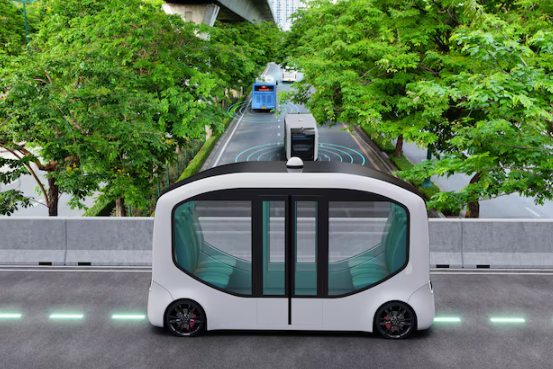
Technology is fundamentally altering transportation systems through advancements in electric and autonomous vehicles. These innovations promise enhanced safety and efficiency while addressing environmental concerns. Meanwhile, smart traffic management systems leverage data analytics to ease congestion and improve urban mobility. Additionally, ride-sharing apps are reshaping how individuals engage with transportation. As these developments unfold, the implications for urban planning and sustainability warrant closer examination. What lies ahead for the future of mobility?
The Rise of Electric and Autonomous Vehicles
As the world grapples with the challenges of climate change and urban congestion, the rise of electric and autonomous vehicles represents a pivotal shift in transportation dynamics.
Electric vehicle adoption is accelerating, driven by advancements in battery technology and consumer demand for sustainability.
Concurrently, autonomous driving technology promises enhanced safety and efficiency, paving the way for a future where mobility is redefined, granting users unprecedented freedom.
How Is Smart Traffic Management Reducing Congestion?
While urban areas continue to experience unprecedented growth, smart traffic management systems are emerging as a crucial solution for mitigating congestion.
By utilizing smart signals and data analytics, these systems optimize traffic flow, adapt to real-time conditions, and reduce delays.
This forward-thinking approach empowers cities to enhance mobility, improve air quality, and provide residents with the freedom to navigate urban environments more efficiently.
The Impact of Ride-Sharing Apps on Urban Mobility
Ride-sharing apps have revolutionized urban mobility by offering a flexible and efficient alternative to traditional transportation methods.
By enhancing ride sharing economics, these platforms improve urban accessibility, allowing individuals to navigate cities with greater ease.
Moreover, they alleviate congestion and reduce the need for private car ownership, fostering a more interconnected urban environment that promotes personal freedom and sustainable commuting options.
See also: How Technology Is Changing the Job Market
Innovations in Sustainable Transportation Solutions
Innovations in sustainable transportation solutions are fundamentally reshaping the landscape of urban mobility, particularly as cities strive to combat climate change and reduce their carbon footprints.
By integrating renewable energy sources and promoting green infrastructure, such as electric vehicle charging stations and bike-sharing programs, urban planners enhance accessibility.
These advancements not only foster environmentally conscious practices but also empower individuals to embrace freedom in their commuting choices.
Conclusion
As technology continues to reshape transportation systems, the integration of electric and autonomous vehicles, smart traffic management, and ride-sharing apps demonstrates a pivotal shift towards sustainability and efficiency. This transformation not only enhances urban mobility but also empowers individuals to embrace eco-friendly commuting options. In the grand scheme of progress, these innovations serve as a beacon of hope, illuminating the path toward a greener future where cities can thrive without the burden of congestion and pollution.