Moisture is one of the most overlooked threats to industrial assets. Excess humidity, condensation, and water intrusion can affect machinery, electrical systems, metal structures, and critical equipment. If left unmanaged, moisture can lead to corrosion, operational disruptions, equipment deterioration, and increased maintenance costs.
This is why many industries rely on professional technical drying services to maintain safe environmental conditions and protect valuable assets. Through advanced drying technologies and moisture control strategies, organizations can reduce risks, improve equipment reliability, and extend asset life.
What Are Technical Drying Services?
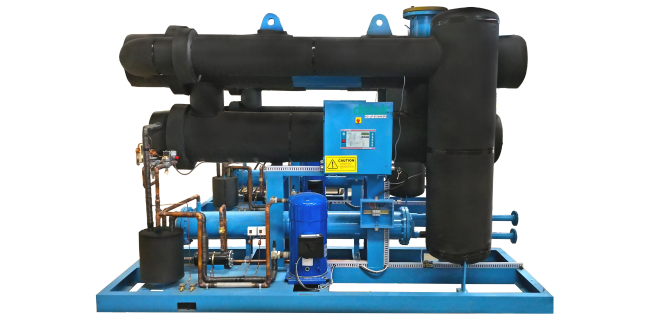
Technical drying services are specialized moisture control solutions designed to remove excess moisture from industrial environments, equipment, and structures. Unlike conventional drying methods, these services use engineered systems that control humidity, airflow, and temperature to achieve precise drying results.
The primary objective is to create an environment where moisture cannot damage critical assets. These services are commonly used during maintenance shutdowns, preservation projects, construction activities, and water damage restoration operations.
Key Components of Technical Drying Services
Technical drying services typically include:
- Industrial dehumidification systems
- Controlled air circulation
- Temperature management solutions
- Moisture monitoring equipment
- Ventilation systems
- Humidity control strategies
Together, these components create optimal drying conditions while preventing further moisture-related damage.
Why Is Moisture Control Important in Industrial Environments?
Industrial facilities often face moisture challenges due to changing weather conditions, operational processes, maintenance activities, and water exposure incidents. Even a small amount of excess moisture can have significant consequences over time.
Moisture control is essential because many industrial assets are highly sensitive to humidity fluctuations. Metal surfaces can corrode, electrical systems can malfunction, and structural materials can deteriorate when exposed to moisture for prolonged periods.
Risks Associated with Excess Moisture
Uncontrolled moisture may result in:
- Corrosion of metal equipment
- Electrical failures and short circuits
- Structural degradation
- Coating failures
- Mold and microbial growth
- Increased maintenance expenses
- Reduced equipment lifespan
Proper moisture control helps organizations avoid these risks while maintaining operational efficiency.
How Does Industrial Drying Work?
Industrial drying is a systematic process that focuses on identifying, controlling, and removing moisture from targeted areas. The process begins with a thorough assessment of environmental conditions and moisture levels.
Engineers evaluate humidity, temperature, airflow patterns, and moisture content before selecting the most appropriate drying solution. Once the equipment is deployed, conditions are continuously monitored to ensure effective moisture removal.
Technologies Used in Technical Drying Services
Several technologies support effective industrial drying:
- Desiccant dehumidifiers
- Industrial air movers
- Ventilation systems
- Heating equipment
- Moisture measurement devices
- Environmental monitoring systems
These technologies work together to accelerate drying while maintaining controlled environmental conditions.
In industries where humidity control is critical, solutions such as a dehumidifier for pharmaceutical industry operations help maintain product quality, process stability, and compliance requirements.
How Technical Drying Services Protect Critical Industrial Assets
Technical drying services provide a proactive approach to asset protection. By removing excess moisture and maintaining controlled humidity levels, organizations can prevent common causes of equipment failure and deterioration.
Moisture often remains hidden inside equipment, enclosed spaces, and structural components. Professional drying services address these hidden risks before they become major operational problems.
Protecting Mechanical Equipment
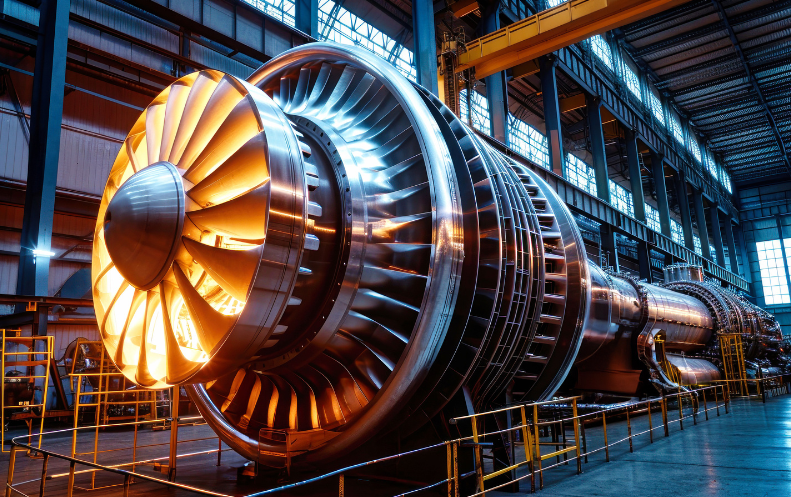
Mechanical systems are highly vulnerable to moisture-related damage. Components such as bearings, motors, turbines, and pumps require dry operating conditions to maintain performance.
Technical drying services help by:
- Preventing corrosion on internal components
- Reducing wear caused by moisture exposure
- Protecting lubrication systems
- Preserving equipment during storage and shutdowns
These measures contribute to longer equipment life and improved reliability.
Protecting Electrical Systems
Electrical equipment is particularly sensitive to humidity and water exposure. Excess moisture can compromise insulation, reduce efficiency, and increase the likelihood of failures.
Technical drying services support the protection of:
- Control panels
- Transformers
- Switchgear
- Electrical cabinets
- Instrumentation systems
Maintaining proper moisture levels helps ensure safe and reliable operation.
Industrial Applications of Technical Drying Services
Technical drying services are used across a wide range of industrial sectors where moisture control is critical to asset performance and operational continuity.
Power Generation Facilities
Power plants rely on precise environmental control during maintenance and preservation activities. Moisture accumulation can negatively impact turbines, generators, and electrical systems.
Technical drying solutions support:
- Equipment preservation
- Outage maintenance projects
- Humidity control during inspections
- Long-term asset protection
Oil and Gas Facilities
Oil and gas operations often require moisture control during maintenance, shutdowns, and preservation programs.
Common applications include:
- Tank drying
- Pipeline drying
- Process equipment preservation
- Refinery maintenance support
Proper drying reduces corrosion risks and supports operational readiness.
Manufacturing and Process Industries
Manufacturing environments require stable conditions to protect equipment and maintain production quality. Technical drying services help create controlled environments that minimize moisture-related disruptions.
Industries benefit through:
- Improved equipment protection
- Better process reliability
- Reduced maintenance requirements
- Enhanced workplace conditions
In construction and infrastructure projects, specialized solutions such as Concrete Drying play an important role in reducing moisture content and preparing surfaces for finishing applications.
The Role of Technical Drying in Water Damage Restoration
Water damage can have a serious impact on industrial assets. Whether caused by leaks, flooding, or accidental water exposure, immediate drying is essential to minimize losses.
Technical drying services focus on restoring equipment and facilities by removing trapped moisture before secondary damage occurs.
Benefits of Immediate Drying After Water Exposure
Organizations can benefit from:
- Faster recovery timelines
- Reduced equipment replacement costs
- Lower restoration expenses
- Improved operational continuity
- Prevention of corrosion and contamination
Rapid moisture removal significantly improves the chances of successful asset restoration.
How Technical Drying Supports Corrosion Prevention
Corrosion remains one of the most expensive challenges facing industrial facilities. Moisture is a primary factor in corrosion development, making humidity control a critical preventive measure.
Technical drying services help maintain environmental conditions that reduce corrosion risks and protect asset integrity.
Humidity Levels Required for Effective Corrosion Control
Effective corrosion prevention typically involves:
- Monitoring relative humidity levels
- Maintaining controlled drying conditions
- Preventing condensation formation
- Using continuous environmental monitoring
These practices support long-term equipment preservation and reliability.
Business Benefits of Professional Technical Drying Services
Technical drying services provide measurable business advantages beyond moisture removal. Organizations that invest in professional drying solutions often experience improved asset performance and reduced operational risks.
Key Business Benefits
- Reduced downtime
- Lower maintenance costs
- Extended equipment lifespan
- Improved reliability
- Enhanced workplace safety
- Better asset preservation
- Greater operational efficiency
Cost Savings Through Preventive Moisture Management
Preventive moisture management helps organizations avoid expensive repairs and unexpected failures. Instead of reacting to moisture-related damage, facilities can implement proactive drying strategies that protect investments and improve long-term performance.
The result is a more reliable operation with fewer disruptions and lower lifecycle costs.
What Should You Look for in a Technical Drying Services Provider?
Choosing the right technical drying partner is important for achieving successful outcomes. A qualified provider should offer both specialized equipment and engineering expertise.
Key considerations include:
- Industry experience
- Advanced drying technologies
- Moisture monitoring capabilities
- Proven technical knowledge
- Project planning support
- Responsive service delivery
A provider with extensive industrial experience can develop customized drying strategies that address specific operational requirements.
Conclusion
Moisture can significantly impact the performance, reliability, and lifespan of industrial assets. From corrosion prevention and equipment preservation to water damage restoration and humidity control, technical drying services provide an effective solution for managing moisture-related risks.
By combining industrial dehumidification, controlled airflow, temperature management, and continuous monitoring, organizations can protect critical assets while reducing downtime and maintenance costs. Investing in professional drying solutions supports long-term operational efficiency and asset reliability.
For expert guidance on protecting your industrial assets from moisture damage, contact Technical Drying Services and discover tailored drying solutions designed for your facility’s requirements.
Frequently Asked Questions
1. What are technical drying services?
Technical drying services are specialized moisture control solutions that use industrial equipment and engineering methods to remove moisture from industrial environments, equipment, and structures.
2. How does industrial drying work?
Industrial drying works by controlling humidity, airflow, and temperature to accelerate moisture removal while maintaining safe environmental conditions.
3. Why is moisture control important in industries?
Moisture control helps prevent corrosion, equipment failures, structural deterioration, and costly operational disruptions caused by excess humidity and condensation.
4. What equipment is commonly used in technical drying services?
Common equipment includes desiccant dehumidifiers, industrial air movers, ventilation systems, heaters, and moisture monitoring instruments.
5. Can technical drying services help prevent corrosion?
Yes. Technical drying services reduce humidity levels and prevent condensation, which are major factors that contribute to corrosion development in industrial assets.