Understanding the Need for Controlled Environments in Battery Production
Battery manufacturing is a highly sensitive process that requires strict environmental control to ensure product quality and operational efficiency. Among the various environmental factors, humidity plays a defining role in determining the reliability and performance of battery components. Even minimal moisture presence can interfere with chemical stability and lead to defects during production.
To maintain the required level of precision, manufacturers rely on advanced dry room solutions that are specifically engineered to create ultra low humidity conditions. These environments are designed to eliminate moisture from the air, ensuring that production processes remain stable and consistent.
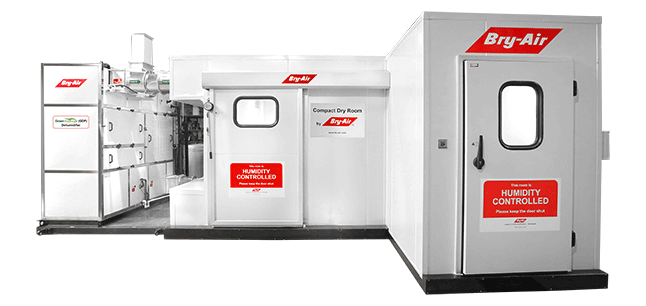
Dry rooms are not simply controlled spaces but highly engineered systems that integrate dehumidification, air filtration, and temperature management. This combination allows for the creation of environments where moisture levels are maintained at extremely low levels, supporting the intricate requirements of battery manufacturing.
The Impact of Moisture on Battery Manufacturing Processes
Chemical Stability Challenges
Battery components, particularly those involving reactive materials, are highly sensitive to moisture. Exposure to humidity can alter chemical properties, leading to instability in the manufacturing process. This can affect the consistency of materials and compromise the overall integrity of the final product.
Maintaining low humidity levels helps preserve the intended chemical composition, ensuring that each stage of production proceeds without unwanted reactions.
Quality and Performance Concerns
Moisture intrusion during manufacturing can lead to defects that impact the performance of batteries. These defects may not always be visible but can influence efficiency, reliability, and longevity.
A controlled dry environment ensures that materials and components are protected from external moisture, allowing for consistent production quality across all stages.
Process Efficiency Issues
Uncontrolled humidity can disrupt production workflows by introducing variability in environmental conditions. This can lead to inefficiencies, increased downtime, and the need for additional corrective measures.
By maintaining stable humidity levels, dry rooms support streamlined operations and improved manufacturing efficiency.
How Dry Room Technology Works
Advanced Dehumidification Systems
Dry room environments rely on sophisticated dehumidification systems to remove moisture from the air. These systems are designed to achieve extremely low dew points, which are essential for battery manufacturing processes.
Desiccant based technologies are commonly used due to their ability to operate effectively under demanding conditions. They absorb moisture from the air and continuously regenerate to maintain consistent performance.
Airflow and Filtration Design
Proper airflow is critical in maintaining uniform conditions within a dry room. Air handling systems are designed to circulate dry air evenly throughout the space, preventing localized variations in humidity.
Filtration systems also play an important role by removing contaminants that could interfere with production processes. This ensures that the environment remains clean as well as dry.
Temperature and Humidity Integration
Temperature control works in conjunction with humidity regulation to create a stable environment. Both factors must be carefully balanced to achieve optimal conditions for manufacturing.
Integrated systems allow for precise monitoring and control, ensuring that environmental parameters remain within specified limits at all times.
Key Benefits of Implementing Dry Room Solutions
Enhanced Product Reliability
Maintaining ultra low humidity levels helps ensure that battery components are produced under optimal conditions. This leads to improved consistency and reliability in the final product.
Increased Operational Efficiency
Dry rooms enable smooth and uninterrupted manufacturing processes by eliminating environmental variability. This reduces the likelihood of disruptions and enhances overall productivity.
Reduced Risk of Contamination
Controlled environments minimize the presence of moisture and airborne contaminants. This contributes to higher quality standards and reduces the risk of defects during production.
Long Term Cost Advantages
Although the initial setup of dry room systems requires investment, the long term benefits include reduced waste, fewer defects, and improved operational efficiency. These factors contribute to cost savings over time.
Types of Dry Room Configurations
Modular Dry Rooms
Modular systems are designed for flexibility and scalability. They can be customized to meet specific production requirements and expanded as needed.
These systems are ideal for facilities that require adaptable solutions to accommodate changing manufacturing needs.
Turnkey Dry Room Solutions
Turnkey systems provide a complete package that includes design, installation, and integration. These solutions are tailored to meet precise environmental specifications and ensure seamless implementation.
For a deeper understanding of specialized environments, exploring a battery dry room setup can provide insights into how advanced systems are structured and operated.
Custom Engineered Systems
Custom solutions are designed to address unique manufacturing challenges. These systems are developed based on specific operational requirements, ensuring optimal performance in specialized applications.
Factors to Consider When Designing a Dry Room
Required Dew Point Levels
The desired dew point is a critical parameter in dry room design. Lower dew points indicate drier air, which is essential for sensitive manufacturing processes.
Selecting the appropriate dew point ensures that the environment meets production requirements.
Space and Layout Planning
The physical layout of the dry room must support efficient airflow and operational workflows. Proper design helps maintain uniform conditions and prevents inefficiencies.
Energy Consumption
Energy efficiency is an important consideration in dry room operations. Advanced systems are designed to minimize energy usage while maintaining high performance levels.
Maintenance and Monitoring
Regular maintenance and continuous monitoring are essential for ensuring consistent performance. Automated systems can help track environmental conditions and identify potential issues.
Integration with Modern Manufacturing Systems
Automation and Control Systems
Dry rooms are often integrated with automated control systems that monitor and adjust environmental parameters in real time. This ensures consistent performance and reduces the need for manual intervention.
Data Driven Optimization
Modern systems use data analytics to optimize performance and improve efficiency. Continuous monitoring allows for better decision making and enhanced operational control.
Scalability for Future Needs
As manufacturing demands evolve, dry room systems must be able to scale accordingly. Flexible designs allow for expansion without compromising environmental stability.
Emerging Trends in Dry Room Technology
Energy Efficient Innovations
New developments in technology are focused on reducing energy consumption while maintaining ultra low humidity levels. Improved system designs and advanced materials contribute to greater efficiency.
Smart Environmental Control
The integration of smart technologies enables precise control and monitoring of environmental conditions. These systems provide real time insights and enhance operational reliability.
Sustainable Engineering Approaches
Sustainability is becoming an important consideration in industrial design. Dry room solutions are evolving to include environmentally responsible features that reduce overall impact.
Conclusion
Dry room solutions are essential for maintaining the precision and reliability required in advanced battery manufacturing. By controlling humidity at extremely low levels, these systems ensure that production processes remain stable and efficient. From improving product quality to enhancing operational performance, the benefits of dry room technology are significant.
Investing in advanced environmental control systems allows manufacturers to meet the growing demands of modern battery production while maintaining high standards of quality and efficiency. Solutions offered by Bry-Air provide a comprehensive approach to dry room design and implementation, supporting long term success in high precision manufacturing environments.