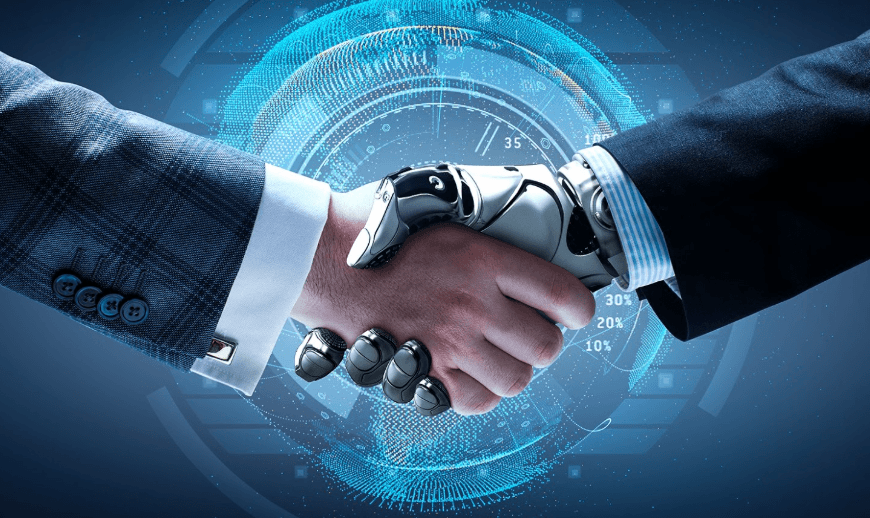
Technology is reshaping the job market in significant ways. Automation and artificial intelligence are streamlining operations while simultaneously displacing traditional roles. This shift creates new job opportunities that require advanced digital skills. Furthermore, the rise of remote work technologies is altering employment dynamics, enabling access to a broader talent pool. As these trends evolve, the necessity for reskilling and lifelong learning becomes increasingly critical for workforce adaptability and organizational success. What implications will this have for future employment?
The Rise of Automation and AI in the Workplace
As businesses increasingly adopt automation and artificial intelligence (AI), a significant transformation in the workplace is underway.
This shift brings concerns about job displacement, as traditional roles are replaced by automated systems.
However, workforce adaptation is essential, requiring employees to develop new skills to thrive in this evolving landscape.
Understanding these dynamics is crucial for fostering resilience and ensuring a balanced approach to technological advancements.
New Job Opportunities Created by Technological Advancements
While the rise of technology often raises concerns about job displacement, it simultaneously paves the way for the creation of new job opportunities across various sectors.
In tech-driven industries, roles in digital entrepreneurship are emerging, highlighting innovation and adaptability.
Data indicates that sectors such as cybersecurity, digital marketing, and artificial intelligence are rapidly expanding, fostering a diverse landscape of employment prospects for the workforce.
The Importance of Reskilling and Lifelong Learning
The rapid evolution of technology not only generates new job opportunities but also underscores the necessity for workers to adapt through reskilling and lifelong learning.
Implementing effective upskilling strategies enhances digital literacy, empowering individuals to navigate an increasingly complex job market.
As industries evolve, continuous education emerges as a pivotal factor in maintaining employability and fostering a sense of freedom in career development.
See also: realtimebusinessnews
How Is Remote Work Technology Transforming Employment Dynamics?
Remote work technology is fundamentally reshaping employment dynamics by facilitating unprecedented flexibility and access to a global talent pool.
Virtual collaboration tools enable seamless interactions among diverse teams, enhancing remote team dynamics and fostering innovation.
This shift not only empowers employees with autonomy but also allows organizations to optimize resources, ultimately leading to a more agile and competitive workforce in today’s evolving job market.
Conclusion
In a world where robots may soon outnumber humans in the workforce, one can only marvel at the audacity of the job market’s evolution. As automation and AI indiscriminately erase traditional roles, employees are left with the delightful task of reskilling—because who wouldn’t want to embrace the joy of lifelong learning while competing with algorithms? Meanwhile, remote work technology offers a global stage for talent, ensuring that the human touch is just a click away, provided it’s not replaced by a chatbot first.