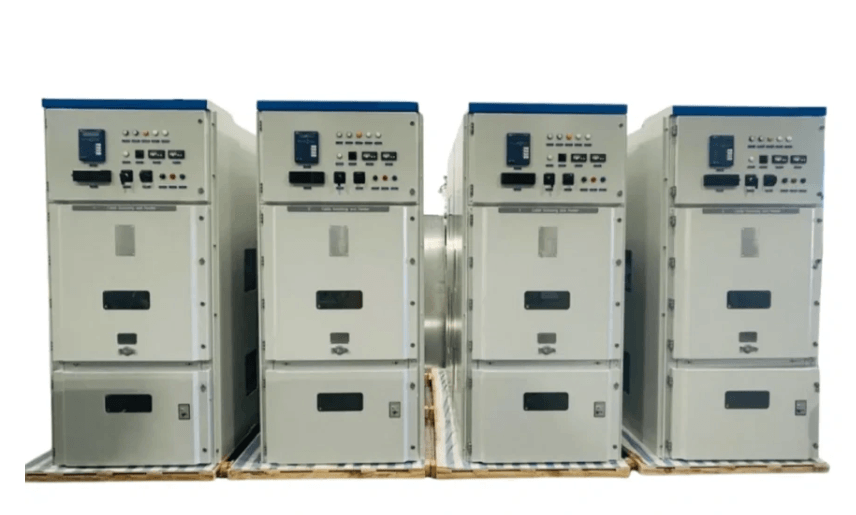
Modern electrical networks are evolving rapidly to meet the demands of urbanization, renewable energy integration, and increasing power consumption. At the core of this transformation are switch gear systems, which have traditionally been responsible for controlling, protecting, and isolating electrical equipment. Today, these systems are becoming smarter, more connected, and more efficient, playing a critical role in shaping the future of electrical infrastructure.
Understanding the Role of Switchgear in Electrical Systems
Switchgear refers to a combination of electrical disconnect switches, fuses, and circuit breakers used to control, protect, and isolate electrical equipment. It ensures the safe distribution of electricity by interrupting power during faults and enabling maintenance without disrupting the entire system.
In traditional setups, switchgear operated as a passive component, reacting to faults after they occurred. However, modern infrastructure requires proactive systems that can predict issues, communicate with other devices, and optimize performance in real time. This need has led to the development of smart switchgear systems.
What Makes Switchgear Systems Smart
Smart switchgear systems incorporate digital technologies, sensors, and communication capabilities that go beyond basic protection and control. These systems are designed to monitor electrical parameters continuously and respond intelligently to changing conditions.
Key features that define smart switchgear include:
- Real time monitoring of voltage, current, and temperature
- Integration with Internet of Things platforms
- Remote operation and diagnostics
- Predictive maintenance capabilities
- Data analytics for performance optimization
These capabilities transform switchgear from a reactive safety device into an intelligent asset that enhances the reliability and efficiency of electrical infrastructure.
The Shift from Conventional to Smart Infrastructure
The transition from conventional switchgear to smart systems is driven by the increasing complexity of modern power networks. With distributed energy resources such as solar panels and wind turbines becoming more common, power flow is no longer unidirectional.
Smart switchgear systems enable utilities and facility managers to manage this complexity effectively. They provide visibility into network performance and allow for quick decision making based on real time data. This shift supports a more resilient and adaptive electrical grid.
Enhancing Reliability and Reducing Downtime
One of the most significant advantages of smart switchgear systems is their ability to improve reliability. Electrical failures can lead to costly downtime, equipment damage, and safety risks. Smart systems address these challenges through continuous monitoring and early fault detection.
By analyzing patterns in electrical data, smart switchgear can identify potential issues before they escalate into major failures. For example, abnormal temperature increases or irregular current flows can trigger alerts, enabling timely intervention.
This proactive approach reduces unplanned outages and ensures a more stable power supply, which is especially critical in industries such as healthcare, manufacturing, and data centers.
Supporting Predictive Maintenance Strategies
Traditional maintenance practices often rely on scheduled inspections or reactive repairs. While these methods can be effective, they may lead to unnecessary maintenance or missed warning signs.
Smart switchgear systems enable predictive maintenance by using data analytics to assess the condition of components in real time. Instead of following a fixed schedule, maintenance activities are performed based on actual equipment performance.
Benefits of predictive maintenance include:
- Reduced maintenance costs
- Extended equipment lifespan
- Improved safety for personnel
- Minimized operational disruptions
This data driven approach ensures that resources are used efficiently while maintaining high levels of system reliability. Visit Meta Power Solutions today to browse their products and services.
Integration with Digital Energy Management Systems
Smart switchgear systems are designed to integrate seamlessly with broader energy management platforms. These integrations allow for centralized control and monitoring of electrical infrastructure across multiple locations.
Facility managers can access detailed insights into energy consumption, load distribution, and system performance through user friendly dashboards. This level of visibility supports informed decision making and helps identify opportunities for energy optimization.
In addition, integration with building management systems enables automated responses to changing conditions, such as adjusting power distribution during peak demand periods.
Enabling Remote Monitoring and Control
Remote access is a defining feature of smart switchgear systems. Operators can monitor and control equipment from virtually anywhere using secure communication networks. This capability is particularly valuable for large scale facilities and geographically distributed assets.
Remote monitoring reduces the need for on site inspections and allows for faster response times in case of emergencies. Operators can isolate faults, reset breakers, and perform diagnostics without physically accessing the equipment.
This level of control enhances operational efficiency and improves safety by minimizing exposure to hazardous environments.
Supporting Renewable Energy Integration
The growing adoption of renewable energy sources presents new challenges for electrical infrastructure. Unlike traditional power generation, renewable sources are often intermittent and decentralized.
Smart switchgear systems play a crucial role in managing these complexities. They enable seamless integration of renewable energy into existing grids by balancing supply and demand in real time.
For example, when solar generation fluctuates due to changing weather conditions, smart switchgear can adjust power distribution to maintain stability. This capability ensures that renewable energy can be utilized effectively without compromising system performance.
Improving Safety and Risk Management
Safety is a top priority in electrical systems, and smart switchgear enhances safety through advanced monitoring and automation. By detecting faults early and isolating affected sections quickly, these systems reduce the risk of electrical hazards.
Modern smart switchgear also includes features such as arc fault detection and automated shutdown mechanisms. These features protect both equipment and personnel from potential dangers.
Furthermore, detailed data logs provide valuable insights for incident analysis, helping organizations improve their safety protocols and prevent future issues.
Data Driven Decision Making in Electrical Systems
Data is at the heart of smart switchgear systems. The continuous flow of information generated by sensors and monitoring devices enables a deeper understanding of system behavior.
This data can be analyzed to identify trends, optimize performance, and support long term planning. For example, historical data can reveal patterns in energy usage, helping organizations implement more efficient load management strategies.
Data driven decision making also supports regulatory compliance by providing accurate records of system performance and maintenance activities.
Scalability for Future Infrastructure Needs
As electrical infrastructure continues to evolve, scalability becomes increasingly important. Smart switchgear systems are designed to accommodate future expansion and technological advancements.
Modular designs and flexible configurations allow for easy upgrades and integration of new components. This adaptability ensures that systems remain relevant and effective as requirements change over time.
Scalable solutions are particularly beneficial for growing industries and urban developments, where demand for electricity is expected to increase significantly.
Challenges in Implementing Smart Switchgear Systems
While the benefits of smart switchgear are substantial, implementing these systems comes with certain challenges. Organizations must consider factors such as initial investment, system compatibility, and cybersecurity.
The integration of digital technologies requires careful planning to ensure seamless communication between devices. In addition, protecting sensitive data from cyber threats is a critical concern in connected systems.
Despite these challenges, the long term advantages of smart switchgear systems often outweigh the initial complexities, making them a valuable investment for modern infrastructure.
See also: How Technology Is Changing Transportation Systems
The Role of Automation in Modern Switchgear
Automation is a key driver behind the transformation of switch gear systems. Automated processes reduce the need for manual intervention and enable faster, more accurate responses to system changes.
For instance, automated fault detection and isolation can prevent minor issues from escalating into major disruptions. Similarly, automated load balancing ensures efficient distribution of power across the network.
These capabilities enhance overall system performance while reducing the burden on human operators.
Impact on Industrial and Commercial Applications
Smart switchgear systems are widely used across various sectors, including industrial facilities, commercial buildings, and utility networks. In industrial settings, they support continuous operations by minimizing downtime and ensuring reliable power supply.
In commercial buildings, smart switchgear contributes to energy efficiency and sustainability by optimizing power usage. Features such as demand response and load shedding help reduce energy costs and environmental impact.
Utility providers also benefit from smart switchgear by improving grid reliability and enabling better management of distributed energy resources.
Future Trends in Smart Switchgear Technology
The evolution of smart switchgear systems is closely linked to advancements in digital technologies. Emerging trends such as artificial intelligence and machine learning are expected to further enhance the capabilities of these systems.
AI driven analytics can provide more accurate predictions and enable autonomous decision making. In addition, advancements in communication technologies will improve connectivity and data exchange between devices.
As these technologies continue to develop, smart switchgear systems will play an even more significant role in shaping the future of electrical infrastructure.
Conclusion
Smart switchgear systems represent a significant advancement in the way electrical infrastructure is designed and managed. By combining traditional protection functions with modern digital capabilities, these systems offer improved reliability, efficiency, and safety.
From predictive maintenance and remote monitoring to renewable energy integration and data driven decision making, smart switchgear is transforming the landscape of power distribution. As the demand for smarter and more resilient infrastructure continues to grow, these systems will remain at the forefront of innovation in the electrical industry.