Introduction
In an era where data is one of the most valuable assets for individuals and organizations alike, ensuring its complete destruction when no longer needed is critical. Simply deleting files or formatting a hard drive is not enough to guarantee that sensitive information is permanently erased. This is where hard disk shredding service becomes essential.
Hard disk shredding is a highly secure method of data destruction that physically destroys storage devices, making data recovery impossible. It is widely used by businesses, government agencies, and individuals who prioritize data security and regulatory compliance. This article provides a comprehensive overview of hard disk shredding services, their importance, process, benefits, and their role in IT asset disposal.
What is a Hard Disk Shredding Service?
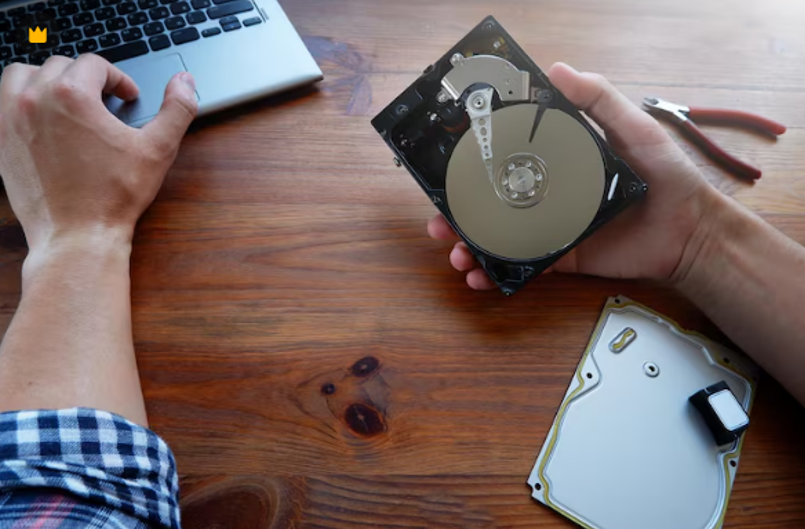
A hard disk shredding service involves the physical destruction of hard drives using industrial-grade shredders. These machines break down the drive into small fragments, rendering the data completely irretrievable.
Unlike software-based data wiping methods, shredding ensures that even the most advanced data recovery techniques cannot retrieve any information. This makes it one of the most secure and reliable methods of data destruction.
Hard disk shredding services are typically offered by professional data destruction or IT asset disposal companies, which provide both on-site and off-site shredding options.
Why is Hard Disk Shredding Important?
1. Complete Data Security
Hard drives often contain sensitive information such as financial records, personal data, intellectual property, and confidential business documents. Shredding ensures that this data is permanently destroyed and cannot fall into the wrong hands.
2. Protection Against Data Breaches
Improper disposal of storage devices can lead to data breaches, which may result in financial losses, reputational damage, and legal consequences. Hard disk shredding eliminates this risk entirely.
3. Regulatory Compliance
Organizations must comply with various data protection laws and industry standards. Hard disk shredding helps meet compliance requirements by providing a secure and verifiable method of data destruction.
4. Peace of Mind
Knowing that your data has been completely destroyed provides confidence and peace of mind, especially for businesses handling sensitive client information.
How Does Hard Disk Shredding Work?
The process of hard disk shredding is straightforward but highly controlled to ensure security and accountability.
1. Collection and Inventory
The service provider collects the hard drives and logs each item into an inventory system. This ensures proper tracking throughout the process.
2. Secure Transportation
If shredding is performed off-site, the drives are transported in secure containers to prevent tampering or loss.
3. Shredding Process
Industrial shredders crush and tear the hard drives into small pieces. The size of the shredded fragments can vary depending on security requirements.
4. Recycling of Materials
After shredding, the remaining materials such as metal and plastic are separated and sent for recycling, supporting environmental sustainability.
5. Certification
A certificate of destruction is provided, confirming that the data has been securely destroyed in compliance with industry standards.
Types of Hard Disk Shredding Services
1. On-Site Shredding
In on-site shredding, the service provider brings mobile shredding equipment to your location. This allows you to witness the destruction process in real time.
Advantages:
- Maximum transparency
- Immediate destruction
- Reduced risk during transportation
2. Off-Site Shredding
In off-site shredding, hard drives are collected and transported to a secure facility for destruction.
Advantages:
- Cost-effective
- Suitable for large volumes
- Access to advanced shredding equipment
Hard Disk Shredding vs Other Data Destruction Methods
1. Data Wiping
Data wiping uses software to overwrite existing data. While effective, it may not be suitable for damaged drives or highly sensitive information.
2. Degaussing
Degaussing uses magnetic fields to erase data but renders the drive unusable and may not work on all types of storage devices.
3. Physical Destruction (Shredding)
Shredding is the most secure method, as it physically destroys the drive, making data recovery impossible.
Role of Hard Disk Shredding in IT Asset Disposal
IT asset disposal is the process of safely disposing of outdated or unwanted IT equipment. Hard disk shredding plays a crucial role in this process by ensuring that all data-bearing devices are securely destroyed before disposal or recycling.
Organizations often rely on professional IT asset disposal services to handle the entire lifecycle of IT equipment, including data destruction, recycling, and documentation. By integrating hard disk shredding into IT asset disposal, businesses can ensure both data security and environmental responsibility.
Benefits of Using Professional Shredding Services
1. High-Level Security
Professional services use industrial-grade equipment that guarantees complete data destruction.
2. Compliance Assurance
Certified shredding providers follow strict guidelines and standards, helping organizations meet regulatory requirements.
3. Time and Cost Efficiency
Outsourcing shredding services saves time and resources compared to handling data destruction internally.
4. Documentation and Reporting
Service providers offer detailed reports and certificates of destruction, which are essential for audits and compliance.
5. Environmental Responsibility
Shredded materials are recycled, reducing environmental impact and supporting sustainable practices.
Choosing the Right Hard Disk Shredding Service
Selecting a reliable service provider is critical for ensuring secure and compliant data destruction.
1. Certification and Compliance
Look for providers that adhere to recognized standards and certifications for data destruction.
2. Experience and Reputation
Choose companies with a proven track record and positive client reviews.
3. Security Measures
Ensure that the provider follows strict security protocols, including chain-of-custody tracking and secure transportation.
4. Transparency
Opt for providers that offer on-site shredding or allow you to witness the process.
5. Environmental Practices
Verify that the company follows eco-friendly recycling practices after shredding.
See also: How Technology Is Changing Transportation Systems
Common Use Cases for Hard Disk Shredding
- Corporate IT upgrades
- Data center decommissioning
- Government and defense operations
- Financial and healthcare institutions
- Disposal of personal computers and laptops
Challenges and Considerations
1. Cost
Professional shredding services may involve costs, especially for small-scale operations. However, the benefits often outweigh the expenses.
2. Logistics
Handling and transporting large volumes of hard drives requires careful planning.
3. Choosing the Right Method
Organizations must assess whether shredding is necessary or if other methods like data wiping are sufficient.
Future Trends in Data Destruction
The demand for secure data destruction is expected to grow as data volumes increase and regulations become stricter.
1. Integration with IT Asset Disposal
More organizations are adopting integrated solutions that combine shredding with IT asset disposal services.
2. Automation and Tracking
Advanced tracking systems and automation are improving efficiency and transparency in shredding processes.
3. Focus on Sustainability
Eco-friendly practices and recycling initiatives are becoming a key focus in the industry.
Conclusion
Hard disk shredding service is one of the most secure and reliable methods of data destruction available today. By physically destroying storage devices, it ensures that sensitive information is permanently erased and cannot be recovered.
As part of a comprehensive IT asset disposal strategy, hard disk shredding helps organizations protect their data, comply with regulations, and contribute to environmental sustainability. Whether you are a small business or a large enterprise, investing in professional shredding services is a crucial step toward responsible data management in the digital age.