Natural light has become a defining feature of modern home design. Whether you’re renovating a traditional property or building a contemporary extension, adding daylight through the roof can completely transform how a space feels and functions. Among the most effective solutions available today are pitched rooflights, a versatile and stylish way to brighten interiors while enhancing architectural appeal.
If you’re exploring roof lights for pitched roofs or comparing different daylighting options, this guide will walk you through everything you need to know—from how they work to where they perform best in UK homes. We’ll also highlight why homeowners increasingly choose pitched systems over other alternatives, especially when working with trusted suppliers such as Skylights Roof Lanterns.
What Are Pitched Rooflights?
Pitched rooflights are skylight systems specifically designed for sloped or angled roofs. Unlike flat roof skylights that sit horizontally, these rooflights are installed within the incline of a roof, following its natural pitch. This allows them to integrate seamlessly into roof structures while capturing maximum daylight throughout the day.
They are commonly made from high-performance materials such as:
- Toughened safety glass
- Double or triple glazing units
- Thermally efficient aluminium or uPVC frames
The result is a durable, weather-resistant installation that enhances natural light without compromising insulation or structural integrity.
How Pitched Rooflights Differ from Flat Roof Options
One of the most important distinctions homeowners need to understand is the difference between pitched and flat rooflight systems. While both serve the same purpose—bringing daylight into interior spaces—their design and performance characteristics differ significantly.
1. Installation Angle
- Pitched rooflights are installed directly into sloped roofs
- Flat rooflights sit horizontally on flat roof surfaces
This structural difference affects everything from water drainage to light direction.
2. Light Direction and Intensity
Pitched rooflights capture sunlight more dynamically because of their angle. As the sun moves across the sky, light enters the home at varying intensities, creating a brighter and more natural illumination throughout the day.
Flat rooflights, on the other hand, offer more controlled, evenly distributed light but may not capture sunlight as effectively in certain orientations.
3. Weather Performance
Because pitched rooflights are angled, rainwater naturally runs off their surface. This reduces the risk of pooling and makes them particularly suitable for UK weather conditions.
Flat systems require more precise engineering to ensure proper drainage.
4. Architectural Integration
Pitched rooflights are often chosen for traditional or heritage-style roofs because they blend seamlessly into the slope. They preserve the architectural character of the building while adding modern functionality.
Why Pitched Rooflights Are Ideal for Modern Homes
Today’s homeowners want spaces that feel open, bright, and connected to the outdoors. Skylights for pitched roof designs achieve this beautifully by turning unused roof space into a powerful source of natural light.
Let’s explore why they are such a strong choice for modern living.
1. Perfect for Loft Conversions and Upper Floors
Loft conversions are one of the most common uses for pitched rooflights in the UK. These spaces often suffer from limited natural light due to sloping ceilings and restricted window placement.
Installing pitched rooflights solves this problem instantly.
Benefits for lofts:
- Brings daylight into previously dark areas
- Makes small spaces feel larger and more open
- Improves ventilation in upper-floor rooms
- Enhances usability for bedrooms, offices, or studios
By positioning rooflights strategically along the slope, homeowners can completely transform attic spaces into bright, functional rooms.
2. Ideal for Home Extensions
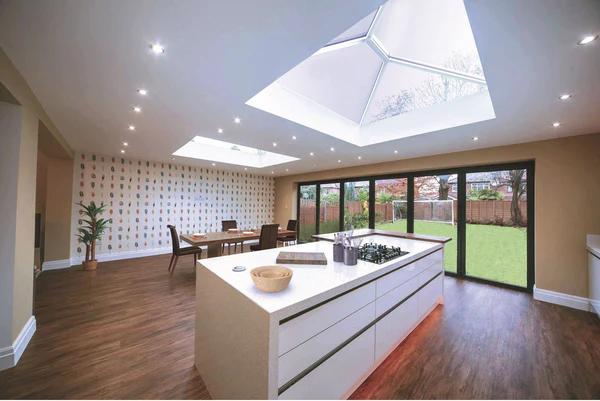
Modern extensions often feature pitched roofs as part of their architectural design. Adding roof lights for pitched roofs enhances these spaces by creating a strong connection between indoor and outdoor environments.
Why they work well in extensions:
- Floods kitchens and dining areas with natural light
- Reduces reliance on artificial lighting during the day
- Enhances modern open-plan layouts
- Improves overall property value and appeal
Many homeowners working with premium suppliers like Skylights Roof Lanterns choose pitched rooflights to complete the aesthetic of their extension projects.
3. Enhanced Natural Light Throughout the Day
One of the biggest advantages of pitched rooflights is how effectively they capture sunlight. Because they are installed at an angle, they follow the natural path of the sun, allowing light to enter from multiple directions.
Key lighting benefits:
- Brighter interiors without glare
- More dynamic lighting throughout the day
- Reduced need for artificial lighting
- Improved mood and wellbeing
Natural light is not just a design feature—it directly impacts how comfortable and inviting a space feels.
4. Ventilation Options for Better Airflow
While not all pitched rooflights open, many models are designed with ventilation functionality. Opening systems can be manual or electric, depending on the design.
Ventilation benefits:
- Improves indoor air quality
- Reduces humidity in kitchens and bathrooms
- Helps regulate temperature in summer months
- Prevents condensation buildup
This makes them particularly useful in rooms where both light and airflow are important.
5. Aesthetic Value and Modern Design Appeal
Beyond functionality, pitched rooflights add significant architectural value. Their clean lines and glass surfaces enhance both traditional and contemporary homes.
Design advantages:
- Sleek, minimalistic appearance
- Enhances roof structure visually
- Adds a premium, modern finish
- Works well with both heritage and new-build properties
They are often seen as a design feature rather than just a functional addition.
See also: How to Move Heavy Furniture Without Damaging Your Home
Common Installation Areas in UK Homes
Pitched rooflights are extremely versatile and can be installed in a wide range of residential settings. Below are the most common applications in UK homes.
1. Kitchens
Kitchens are one of the most popular locations for pitched rooflights.
Why they work:
- Brighten cooking and dining spaces
- Create a more open, social environment
- Improve visibility during food preparation
A well-lit kitchen can completely change how the space is used and enjoyed.
2. Living Rooms
Living rooms benefit greatly from increased natural light, especially in homes with limited window access.
Advantages:
- Creates a warm and inviting atmosphere
- Enhances interior design features
- Makes the space feel larger and more open
3. Bathrooms
While less common, pitched rooflights in bathrooms can provide both light and ventilation when designed correctly.
Benefits:
- Natural light without sacrificing privacy
- Helps reduce moisture and condensation
- Improves overall comfort
4. Stairwells and Hallways
These transitional areas are often dark and underutilised. Adding skylights for pitched roof structures can dramatically improve visibility.
Why they’re effective:
- Improves safety on stairs
- Enhances architectural flow
- Reduces need for artificial lighting
5. Home Offices
With remote working becoming more common, natural light in home offices is increasingly important.
Benefits:
- Reduces eye strain
- Boosts productivity
- Creates a healthier working environment
Energy Efficiency and Performance
Modern pitched rooflights are designed with energy efficiency in mind. High-quality glazing and advanced frame technology help maintain indoor temperatures while maximising daylight.
Key performance features:
- Low U-value glazing for insulation
- Double or triple glazing options
- Thermally broken frames to prevent heat loss
- Solar control coatings to reduce overheating
These features make pitched rooflights a smart long-term investment for energy-conscious homeowners.
Installation Considerations
Proper installation is essential to ensure performance and durability. Because pitched rooflights are integrated into sloped roofs, accuracy and waterproofing are critical.
Key installation points:
- Must align with roof pitch correctly
- Requires proper flashing systems to prevent leaks
- Structural support must be checked before installation
- Professional fitting is strongly recommended
Working with experienced suppliers like Skylights Roof Lanterns ensures compatibility and compliance with UK building standards.
Maintenance and Longevity
One of the reasons homeowners prefer pitched rooflights is their low maintenance requirements. Once installed correctly, they require very little ongoing care.
Maintenance tips:
- Clean glass periodically to maintain clarity
- Inspect seals annually
- Remove debris from surrounding roof areas
With proper installation and care, high-quality pitched rooflights can last for decades.
Final Thoughts
Pitched rooflights are one of the most effective ways to bring natural light into modern homes. Their ability to integrate seamlessly into sloped roofs, combined with strong energy efficiency and aesthetic appeal, makes them a standout choice for homeowners across the UK.
Whether you are renovating a loft, extending your kitchen, or upgrading your living space, roof lights for pitched roofs offer a reliable and visually striking solution. They improve not only how your home looks but also how it feels and functions every day.
For those seeking quality and design flexibility, choosing trusted suppliers like Skylights Roof Lanterns ensures you get durable, high-performance systems built to last.
If you’re planning to enhance your home with skylights for pitched roof installations, now is the perfect time to explore how these systems can transform your space with natural light, energy efficiency, and modern design appeal.