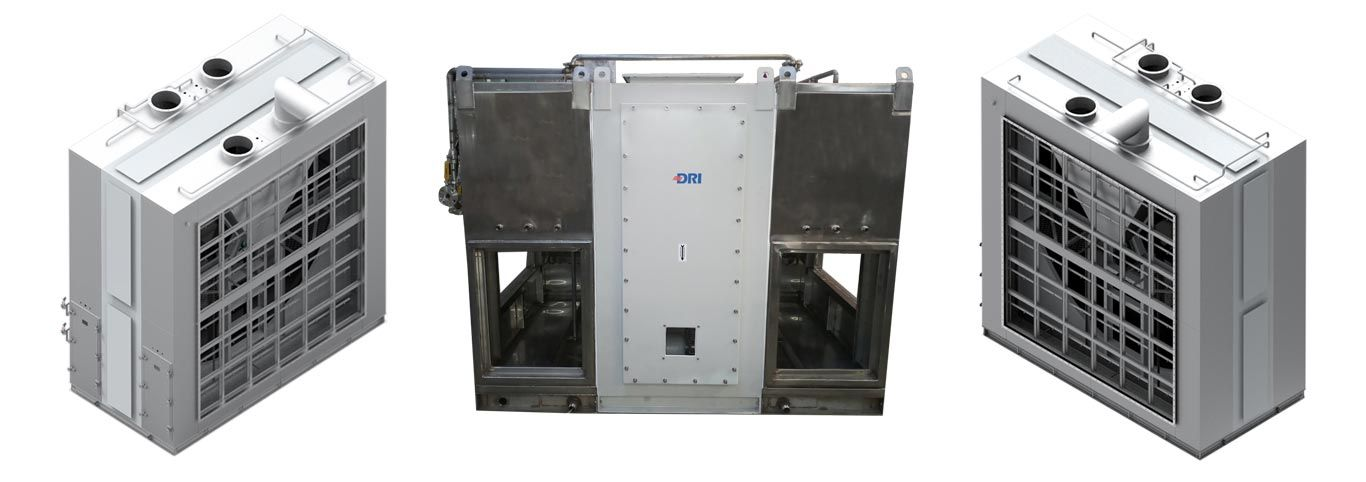
Industrial facilities face increasing pressure to control emissions, improve operational efficiency, and comply with environmental regulations. Among the various air pollution control technologies available today, a VOC concentrator has become one of the most effective solutions for managing volatile organic compound emissions. Industries that generate large volumes of process air containing low concentrations of VOCs often rely on concentrator technology to reduce emissions while lowering treatment costs.
A VOC concentrator works by capturing volatile organic compounds from large air streams and concentrating them into a much smaller volume of air. This process makes downstream treatment more efficient and cost effective. As industries continue to focus on sustainability and environmental responsibility, VOC concentrators play an important role in industrial emission control strategies.
Learn more about advanced voc concentrator solutions designed for efficient industrial air treatment.
What Is a VOC Concentrator?
A VOC concentrator is an air pollution control device designed to capture and concentrate volatile organic compounds from industrial exhaust streams. Instead of treating a large volume of contaminated air directly, the system reduces the airflow volume while increasing VOC concentration levels. This significantly improves the efficiency of subsequent treatment technologies.
Volatile organic compounds are released during various industrial processes involving solvents, coatings, chemicals, and manufacturing operations. These compounds can contribute to environmental pollution and may be subject to strict emission regulations. VOC concentrators provide an effective way to manage these emissions while optimizing energy consumption.
Industries commonly use VOC concentrators because they offer:
- Efficient VOC removal
- Lower operating costs
- Reduced energy consumption
- Improved environmental compliance
- Enhanced process efficiency
What Are Volatile Organic Compounds and Why Are They a Concern?
Volatile organic compounds, often referred to as VOCs, are organic chemicals that easily evaporate into the atmosphere. These compounds are released during industrial manufacturing, coating applications, printing operations, chemical processing, and many other production activities.
When VOC emissions are not properly controlled, they can contribute to air quality concerns and environmental challenges. Regulatory agencies around the world continue to strengthen emission standards to reduce industrial pollution and encourage cleaner production practices.
Organizations increasingly prioritize VOC management because it helps:
- Meet regulatory requirements
- Support sustainability initiatives
- Improve workplace air quality
- Reduce environmental impact
- Enhance operational performance
How Does a VOC Concentrator Work?
The working principle of a VOC concentrator is based on adsorption and desorption technology. The system uses a specially engineered rotor that captures VOC molecules from the process air stream and then releases them into a smaller regeneration air stream.
The process begins when contaminated air passes through the rotor. The adsorption media within the rotor traps VOC molecules while allowing clean air to exit the system. Once the adsorption section becomes saturated, the rotor slowly rotates into the regeneration zone.
In the regeneration zone, heated air removes the captured VOCs from the rotor surface. The released VOCs are concentrated into a smaller airflow stream that can be treated more efficiently using downstream technologies. This approach significantly reduces treatment equipment size and energy requirements.
The key stages include:
- VOC adsorption from process air
- Rotor rotation into regeneration zone
- VOC desorption using heated air
- Concentration of VOCs into a smaller air stream
- Efficient downstream treatment
Key Components of a VOC Concentrator System
Several integrated components work together to ensure effective VOC removal and concentration. Each element contributes to overall system performance and efficiency.
VOC Rotor
The rotor is the core component of the system. It contains specially designed adsorption media that capture volatile organic compounds from the process air stream. The rotor continuously rotates between adsorption and regeneration zones to maintain uninterrupted operation.
Process Air Section
This section handles the incoming contaminated air. The process air passes through the rotor where VOCs are adsorbed while purified air exits the system.
Regeneration Air Section
The regeneration section uses heated air to release captured VOCs from the rotor. This process restores the adsorption capacity of the rotor and prepares it for continued operation.
Control and Monitoring Systems
Modern VOC concentrators include advanced controls that monitor temperature, airflow, pressure, and operating conditions. These systems help optimize performance while maintaining consistent VOC removal efficiency.
Industries seeking expertise in advanced rotor technologies often work with experienced desiccant wheel manufacturers that specialize in air treatment and environmental control solutions.
What Industries Use VOC Concentrators?
VOC concentrators are widely used across industries that generate large volumes of VOC-containing exhaust air. Their ability to handle high airflow rates with low VOC concentrations makes them suitable for many manufacturing environments.
Common applications include:
- Automotive manufacturing
- Chemical processing
- Pharmaceutical production
- Electronics manufacturing
- Printing facilities
- Coating operations
- Packaging industries
- Industrial finishing processes
These industries often require reliable VOC treatment solutions that can support both operational efficiency and regulatory compliance goals.
Benefits of Using a VOC Concentrator
A VOC concentrator offers several advantages compared to conventional VOC treatment methods. These benefits contribute to improved operational performance and long-term cost savings.
Reduced Industrial Emissions
One of the primary benefits is effective VOC removal. By concentrating pollutants before treatment, the system helps significantly reduce emissions released into the environment.
Lower Operating Costs
Treating a smaller concentrated air stream requires less energy compared to processing large volumes of contaminated air directly. This can lead to substantial operational savings over time.
Improved Environmental Compliance
VOC concentrators help industries meet increasingly strict environmental regulations. Reliable emission control supports compliance while reducing regulatory risks.
Higher Energy Efficiency
The concentration process reduces the energy demand of downstream treatment equipment. This contributes to overall system efficiency and sustainability goals.
Smaller Treatment Equipment
Since VOCs are concentrated into a smaller airflow stream, industries can often utilize smaller and more efficient treatment systems.
Additional benefits include:
- Continuous operation
- Long service life
- Stable performance
- Reduced maintenance requirements
- Scalable system design
How Does a VOC Concentrator Support Environmental Regulations?
Environmental regulations continue to evolve as governments seek to improve air quality and reduce industrial emissions. VOC concentrators help organizations align with these requirements through efficient emission control strategies.
The ability to reduce VOC emissions supports regulatory compliance while helping organizations demonstrate environmental responsibility. Many facilities also use VOC concentrators as part of broader sustainability programs focused on energy efficiency and pollution reduction.
Key regulatory advantages include:
- Better emission control performance
- Consistent VOC reduction
- Improved reporting capabilities
- Support for environmental certifications
- Alignment with sustainability objectives
Organizations often combine VOC control strategies with advanced industrial air purification systems to enhance overall air quality management and environmental performance.
VOC Concentrator vs Traditional VOC Control Systems
Selecting the right VOC control technology depends on several operational factors. VOC concentrators are particularly effective when dealing with high airflow rates and relatively low VOC concentrations.
Traditional treatment methods may process the entire exhaust air volume directly. In contrast, a VOC concentrator first reduces the volume of air requiring treatment, which improves overall system efficiency.
Factors that influence technology selection include:
- VOC concentration levels
- Airflow volume
- Energy consumption goals
- Compliance requirements
- Operational costs
- Available installation space
For many industrial applications, VOC concentrators provide an effective balance between performance, efficiency, and long-term operating costs.
Factors to Consider When Selecting a VOC Concentrator
Choosing the right system requires careful evaluation of operational requirements and environmental objectives. Every facility has unique process conditions that influence system design.
Important considerations include:
- VOC concentration range
- Airflow capacity requirements
- Energy efficiency targets
- Regulatory compliance needs
- Maintenance expectations
- Process operating conditions
Evaluating these factors helps ensure optimal system performance and long-term reliability.
Conclusion
A VOC concentrator is a highly effective solution for reducing industrial emissions while improving energy efficiency and environmental compliance. By capturing volatile organic compounds from large process air streams and concentrating them into smaller volumes, these systems help industries achieve better emission control with lower operating costs.
As environmental regulations continue to become more stringent, organizations increasingly rely on advanced VOC abatement technologies to support sustainable operations. A properly designed VOC concentrator can improve operational efficiency, reduce treatment costs, and strengthen environmental performance across a wide range of industrial applications.
For expert guidance on VOC control technologies and customized air treatment solutions, contact Desiccant Rotors International.
Frequently Asked Questions
1. How does a VOC concentrator work?
A VOC concentrator captures volatile organic compounds from large air streams using an adsorption rotor and concentrates them into a smaller airflow for efficient downstream treatment.
2. What industries commonly use VOC concentrators?
Industries such as automotive manufacturing, pharmaceuticals, chemical processing, electronics, printing, and coating operations commonly use VOC concentrators.
3. What are the main benefits of a VOC concentrator?
Key benefits include reduced emissions, lower operating costs, improved energy efficiency, environmental compliance, and smaller downstream treatment equipment.
4. Are VOC concentrators energy efficient?
Yes. By concentrating VOCs into a smaller air stream, VOC concentrators reduce the energy required for downstream treatment processes.
5. Can a VOC concentrator help meet environmental regulations?
Yes. VOC concentrators are designed to reduce industrial emissions and support compliance with environmental standards and sustainability goals.