Compressed air plays a critical role in industrial operations. However, compressed air often contains moisture that can affect system efficiency, equipment performance, and product quality. This challenge becomes even more important in low pressure compressed air systems where maintaining consistent air quality is essential.
A low pressure refrigeration air dryer is designed to remove moisture from compressed air before it enters downstream equipment and processes. By reducing water vapor and condensate, these systems help industries maintain clean, dry, and reliable compressed air. Understanding how these dryers work and where they are used can help organizations improve operational efficiency and reduce maintenance costs.
What Is a Low Pressure Refrigeration Air Dryer?
A low pressure refrigeration air dryer is a specialized compressed air treatment system that removes moisture from compressed air operating at lower pressure levels. It uses a refrigeration process to cool compressed air, causing water vapor to condense into liquid form for easy removal.
Unlike conventional drying systems, low pressure refrigeration air dryers are specifically designed to perform efficiently under low pressure operating conditions. They help maintain compressed air quality while ensuring stable system performance.
The primary purpose of a low pressure refrigeration air dryer is to:
- Remove excess moisture from compressed air
- Prevent corrosion in pipelines and equipment
- Improve process reliability
- Reduce maintenance requirements
- Extend equipment life
Many industries depend on dry compressed air to maintain production quality and operational efficiency. This makes low pressure drying systems a valuable component of modern compressed air networks.
How Does a Low Pressure Refrigeration Air Dryer Work?
The operation of a low pressure refrigeration air dryer is based on a simple yet effective cooling process. Compressed air enters the dryer and passes through a refrigeration circuit where its temperature is reduced.
As the air cools, water vapor reaches its condensation point and transforms into liquid water. The moisture is then separated and discharged through a drainage system.
The drying process typically involves:
- Cooling incoming compressed air
- Condensing moisture into liquid form
- Separating water from the airflow
- Draining collected condensate
- Delivering dry compressed air to the system
The result is a stable supply of clean and dry air that supports efficient industrial operations. For facilities operating at standard pressure levels, a standard pressure industrial air dryer may also be considered depending on application requirements.
Why Is Moisture Removal Important in Low Pressure Compressed Air Systems?
Moisture is one of the most common contaminants found in compressed air systems. If left untreated, it can create several operational challenges that impact productivity and equipment reliability.
Water vapor can accumulate within pipelines, valves, pneumatic tools, and production equipment. Over time, this buildup may lead to corrosion, reduced performance, and increased maintenance requirements.
Moisture removal helps organizations achieve several important objectives:
- Protect critical equipment from corrosion
- Improve pneumatic system performance
- Reduce unexpected downtime
- Maintain product quality standards
- Enhance operational efficiency
Dry compressed air also contributes to smoother production processes by minimizing the risk of moisture-related disruptions. This is especially important in applications where air quality directly influences manufacturing outcomes.
What Are the Benefits of Using a Low Pressure Refrigeration Air Dryer?
Installing a low pressure refrigeration air dryer offers multiple advantages for industrial facilities. Beyond moisture removal, these systems support long-term operational efficiency and reliability.
One of the key benefits is equipment protection. Moisture can damage sensitive pneumatic components and create costly maintenance issues. Removing moisture helps preserve system integrity and extend equipment lifespan.
Additional benefits include:
- Consistent compressed air quality
- Reduced maintenance costs
- Lower risk of system failures
- Improved process efficiency
- Better operational reliability
- Energy-efficient performance
Another important advantage is predictable dryer operation. Refrigeration technology provides dependable moisture control while maintaining relatively low operating costs. This balance of performance and efficiency makes low pressure refrigeration dryers suitable for a wide range of industrial applications.
Which Industries Commonly Use Low Pressure Refrigeration Air Dryers?
Many industries require moisture-free compressed air to support daily operations. Low pressure refrigeration air dryers are commonly integrated into compressed air systems where air quality and reliability are important.
Industries that frequently utilize these systems include:
- Manufacturing facilities
- Food processing plants
- Pharmaceutical production facilities
- Automotive component manufacturing
- Electronics manufacturing
- Packaging operations
- Engineering industries
- Process industries
In these environments, compressed air often interacts with critical equipment and production processes. Moisture contamination can affect efficiency and lead to avoidable maintenance concerns.
Organizations seeking reliable industrial compressed air drying solutions often choose refrigeration dryers because they provide effective moisture control while supporting operational consistency.
How to Choose the Right Low Pressure Refrigeration Air Dryer
Selecting the right dryer requires careful evaluation of system requirements. Every compressed air system has unique operating conditions that influence dryer performance.
Airflow capacity is one of the most important considerations. The dryer must be capable of handling the total compressed air demand without affecting system efficiency.
When selecting a low pressure refrigeration air dryer, consider:
- Required airflow capacity
- Operating pressure range
- Ambient temperature conditions
- Desired dew point performance
- Energy efficiency requirements
- Maintenance accessibility
- Long-term reliability
It is also important to evaluate future expansion plans. Choosing a dryer that can accommodate increased air demand may help avoid system upgrades later.
A properly sized and configured dryer can provide years of reliable performance while helping maintain compressed air quality across industrial operations.
Why Delair FDI Series Is an Effective Solution for Low Pressure Applications
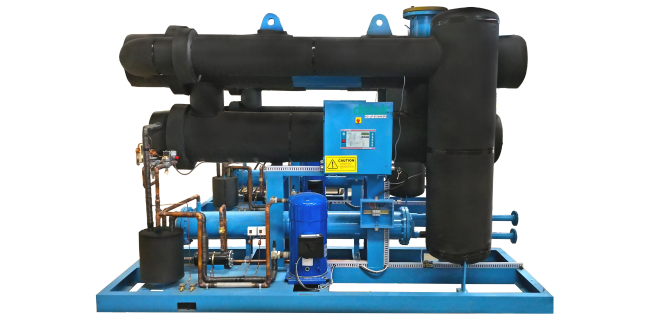
Industrial facilities require compressed air treatment systems that deliver reliable performance under varying operating conditions. Delair’s FDI Series Low Pressure Refrigeration Air Dryers are designed to meet these requirements through efficient moisture removal and dependable operation.
The FDI Series is engineered to support low pressure compressed air systems while maintaining consistent air quality. These dryers help protect downstream equipment and contribute to improved system performance.
Key advantages of the Delair FDI Series include:
- Efficient moisture removal
- Reliable low pressure operation
- Durable industrial construction
- Consistent compressed air quality
- Easy maintenance access
- Energy-conscious design
By integrating advanced engineering with proven refrigeration technology, these dryers provide an effective solution for industries seeking dependable compressed air treatment.
Best Practices for Maintaining a Low Pressure Refrigeration Air Dryer
Routine maintenance is essential for ensuring optimal dryer performance. Proper maintenance helps extend equipment life while supporting efficient moisture removal.
Regular inspections allow operators to identify potential issues before they affect system performance. Monitoring critical components also helps maintain consistent air quality.
Recommended maintenance practices include:
- Inspect drainage systems regularly
- Check refrigerant performance
- Clean heat exchange surfaces
- Monitor operating temperatures
- Replace filters when required
- Verify condensate removal efficiency
Scheduled maintenance contributes to stable operation and helps maximize the return on investment from compressed air treatment equipment.
Frequently Asked Questions About Low Pressure Refrigeration Air Dryers
1. What is a low pressure refrigeration air dryer?
A low pressure refrigeration air dryer is a compressed air treatment system that removes moisture from compressed air operating at lower pressure levels through a refrigeration-based cooling process.
2. How does a low pressure refrigeration air dryer work?
The dryer cools compressed air to condense water vapor into liquid form. The moisture is then separated and drained, leaving dry compressed air for industrial use.
3. What are the benefits of using a low pressure refrigeration air dryer?
Benefits include moisture removal, equipment protection, reduced maintenance costs, improved compressed air quality, and enhanced operational efficiency.
4. Which industries use low pressure refrigeration air dryers?
Industries such as manufacturing, pharmaceuticals, food processing, automotive production, electronics manufacturing, and engineering operations commonly use these dryers.
5. How do I choose the right low pressure refrigeration air dryer?
Selection should be based on airflow requirements, operating pressure, ambient conditions, dew point needs, energy efficiency goals, and long-term reliability considerations.
Conclusion
Moisture control is a critical requirement for maintaining efficient and reliable compressed air systems. A low pressure refrigeration air dryer helps remove excess moisture, protect equipment, improve air quality, and support consistent industrial operations.
By understanding how these systems work, their benefits, and the factors involved in selecting the right solution, organizations can make informed decisions that improve overall system performance. Low pressure refrigeration air dryers continue to play an important role in modern compressed air treatment strategies across a wide range of industries.
To learn more about advanced compressed air treatment technologies and find the right solution for your facility, contact Delair India Pvt Ltd today.