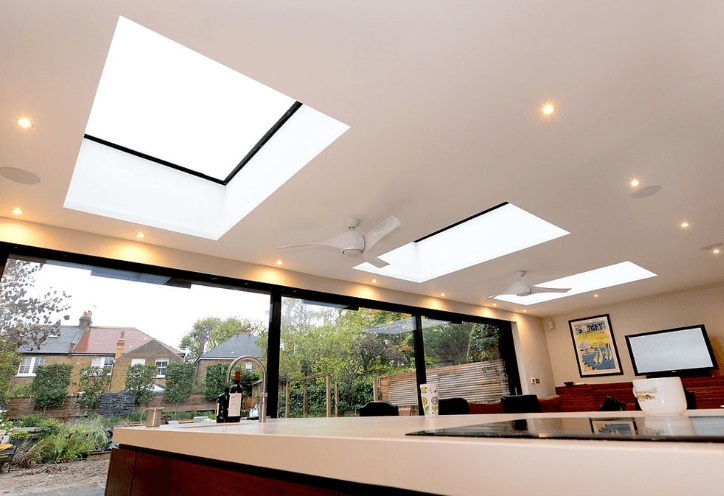
Fixed flat glass rooflights have become an increasingly important feature in modern architecture, especially in residential extensions, commercial buildings, and refurbishment projects. They are no longer seen as a luxury addition but rather a functional design solution that improves how buildings perform and how people experience interior spaces.
At their core, fixed flat glass rooflights are designed to bring natural daylight into a building from above. However, their benefits go far beyond lighting alone. When correctly specified and installed, they can significantly improve energy efficiency, indoor comfort, and even property value.
Understanding Fixed Flat Glass Rooflights
Fixed flat glass rooflights are non-opening glazed units installed on flat or low-pitched roofs. Unlike ventilated skylights or roof windows, they do not open for airflow. Instead, they are sealed units designed purely for daylight transmission and thermal performance.
Most modern rooflights are built using high-performance glazing systems, which often include double or triple glazing, low-emissivity coatings, warm edge spacers, and thermally broken frames. These elements work together to minimize heat loss while maximizing light entry.
Because they are fixed, they also tend to be more airtight and weather-resistant than opening alternatives. This makes them particularly suitable for areas where consistent insulation and long-term durability are important.
Transforming Spaces with Natural Light
One of the most noticeable advantages of fixed flat glass rooflights is their ability to dramatically improve natural light levels inside a building. Spaces such as hallways, internal rooms, kitchens, and stairwells often suffer from limited access to daylight due to their layout or surrounding structures.
By introducing overhead glazing, light enters from above and spreads more evenly throughout the space. This creates a softer and more balanced illumination compared to traditional side windows, which often result in uneven lighting and shadows.
The impact of this change is immediate. Rooms feel brighter, more open, and more welcoming. Even small or narrow areas can feel significantly larger simply due to the presence of natural overhead light. This effect is especially valuable in urban homes or commercial buildings where external window access is limited.
In addition to visual comfort, natural light also reduces dependency on artificial lighting during the day. This leads to more efficient energy use and a more natural indoor environment that changes with the time of day and weather conditions.
Improving Energy Efficiency Through Design
While glass is often associated with heat loss, modern fixed flat rooflights are engineered to perform efficiently in terms of thermal regulation. Advanced glazing technology allows them to contribute positively to a building’s energy performance when properly designed.
One of the key benefits is the reduction in artificial lighting usage. By increasing daylight penetration, buildings require less electricity during daylight hours. In large commercial spaces, this can result in significant energy savings over time.
Thermal performance is another important factor. High-quality rooflights use low-emissivity coatings that reflect heat back into the building during colder months while reducing unwanted solar gain during warmer periods. Many also incorporate argon-filled or krypton-filled glazing units, which improve insulation by slowing down heat transfer.
This means that rooflights help maintain a more stable indoor temperature throughout the year. In winter, they help retain heat, and in summer, they reduce overheating when combined with proper shading strategies. As a result, heating and cooling systems do not need to work as hard, improving overall energy efficiency.
Passive solar gain also plays a role. During colder months, sunlight entering through rooflights can naturally warm interior spaces. When managed correctly, this reduces reliance on heating systems and contributes to a more sustainable building design.
Enhancing Comfort and Human Wellbeing
The benefits of natural light extend beyond energy savings and aesthetics. There is strong evidence that daylight has a direct impact on human health and wellbeing.
Spaces with good natural lighting are known to improve mood, reduce stress levels, and enhance concentration. This is particularly important in workplaces, where lighting conditions can influence productivity and overall employee satisfaction.
Natural light also helps regulate the body’s circadian rhythm, which controls sleep-wake cycles. Exposure to daylight during the day supports better sleep quality at night, contributing to overall health.
In residential environments, this translates into more comfortable and enjoyable living spaces. Rooms feel more connected to the outside environment, and occupants experience a better sense of balance throughout the day.
Fixed flat glass rooflights are especially effective in achieving this because they provide consistent overhead daylight, which mimics natural outdoor lighting conditions more closely than artificial sources.
Architectural Appeal and Design Flexibility
Beyond performance benefits, fixed flat glass rooflights also play a major role in modern architectural design. Their clean, minimal appearance makes them a popular choice for contemporary buildings where simplicity and light are key design principles.
They can be installed flush or slightly raised above roof level, depending on the design requirements. Either way, they maintain a streamlined aesthetic that does not disrupt the overall roof structure.
Architects often use rooflights to create focal points within interiors. For example, a kitchen island or dining area positioned beneath a rooflight becomes a naturally lit centrepiece of the space. Similarly, stairwells can be transformed into dramatic vertical light wells that change throughout the day.
This flexibility makes rooflights suitable for a wide range of applications, from high-end residential projects to office buildings and retail spaces.
Durability and Low Maintenance Benefits
Another practical advantage of fixed flat glass rooflights is their durability. Because they do not open or contain mechanical components, they have fewer points of failure compared to operable skylights.
This simplicity results in lower maintenance requirements and a reduced risk of issues such as air leakage or mechanical breakdown. High-quality units are designed to withstand harsh weather conditions, including heavy rain, wind, and temperature fluctuations.
The glazing is typically treated with coatings that resist dirt buildup and improve self-cleaning performance when exposed to rainfall. This makes them particularly suitable for installations in hard-to-access roof areas where regular maintenance would be difficult.
Over time, this reliability contributes to lower lifecycle costs and greater long-term value.
Noise Reduction and Acoustic Comfort
In addition to thermal and visual benefits, fixed flat glass rooflights can also improve acoustic comfort when designed with laminated or multi-layer glazing systems.
These systems help reduce external noise pollution from traffic, aircraft, or urban environments. This is especially valuable in cities or densely populated areas where noise levels can affect concentration and relaxation.
By reducing sound transmission through the roof, rooflights contribute to a quieter and more peaceful indoor environment, improving overall living or working conditions.
Increasing Property Value
From a real estate perspective, fixed flat glass rooflights are often viewed as a premium feature. Properties that benefit from strong natural lighting tend to be more attractive to buyers and tenants.
Well-lit spaces feel larger, cleaner, and more modern, which can significantly influence perception and market value. When combined with energy efficiency improvements, rooflights contribute to a stronger overall building performance rating, which is increasingly important in today’s property market.
They are often considered a high-impact upgrade because they improve multiple aspects of a building at once—lighting, energy efficiency, aesthetics, and comfort.
Ideal Applications
Fixed flat glass rooflights are particularly effective in spaces where side windows are limited or where additional daylight is required. Common applications include kitchen extensions, open-plan living areas, internal corridors, basement conversions, and office environments.
Their placement should always be carefully considered to maximize daylight distribution while avoiding excessive glare or overheating. In well-designed projects, multiple rooflights may be used to create balanced and even illumination across larger spaces.
See also: Business Litigation Lawyer: Complete Guide to Protecting Your Business from Legal Disputes
Conclusion
Fixed flat glass rooflights are far more than an architectural trend. They are a practical and highly effective solution for improving natural light, enhancing energy efficiency, and creating more comfortable indoor environments.
By introducing daylight from above, they transform the way spaces feel and function. At the same time, modern glazing technology ensures that this increase in light does not come at the expense of thermal performance or energy efficiency.
Whether used in residential extensions or commercial developments, fixed flat glass rooflights offer long-term value through improved comfort, reduced energy consumption, and enhanced design quality. When thoughtfully integrated into a building, they become a key element in creating brighter, more efficient, and more enjoyable spaces.